Published April 2026 · By Mike Chen · Carnivore diet practitioner since 2022 · 9 min read
Animal-Based Diet: Complete Guide to Paul Saladino's Approach (2026)
The animal-based diet sits between the strict carnivore diet and a standard whole-foods diet. Developed by Dr. Paul Saladino -- board-certified MD, author of The Carnivore Code, and one of the most prominent voices in ancestral nutrition -- the animal-based approach keeps meat and organs at the center of every meal while adding back the least toxic plant foods: fruit, honey, and raw dairy. This guide breaks down the philosophy, the food list, how it differs from carnivore, and who it works best for.
What Is the Animal-Based Diet?
The animal-based diet is built on a simple principle: eat the most nutrient-dense foods while avoiding plant defense chemicals. Paul Saladino argues that while all plants produce toxins to deter herbivores (lectins, oxalates, phytates, goitrogens), fruit is the exception -- plants evolved fruit specifically to be eaten so animals would disperse their seeds. This makes fruit the lowest-toxicity plant food available.
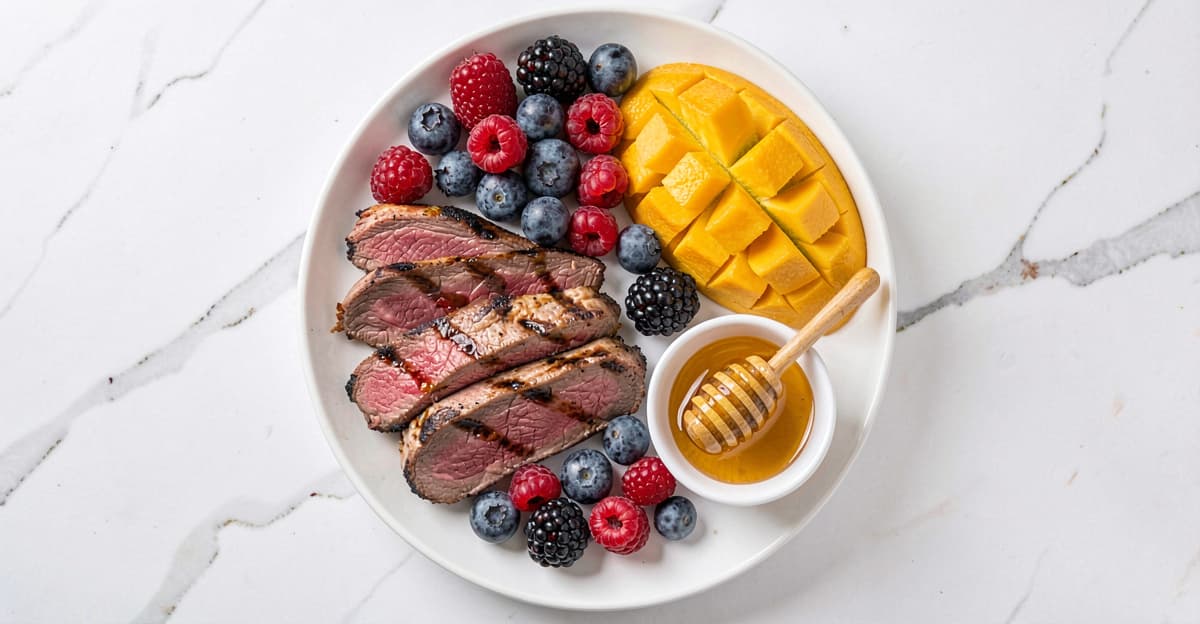
The diet centers on animal foods for protein, fat, and micronutrients, then adds fruit and honey as clean carbohydrate sources. It explicitly avoids seeds, grains, legumes, nuts, and most vegetables -- the plant parts that contain the highest concentrations of defense chemicals. The result is a nutrient-dense, moderate-carb diet that avoids the most common inflammatory triggers while still providing the glucose needed for high-intensity activity and thyroid function.
Animal-Based vs Carnivore Diet
The two diets share a foundation of animal foods but differ significantly in their inclusion of plant-based carbohydrates:
| Category | Animal-Based Diet | Carnivore Diet |
|---|---|---|
| Carbs per day | 50-150g (from fruit & honey) | ~0g |
| Fruit | Yes -- berries, bananas, dates, citrus | No |
| Honey | Yes -- raw honey encouraged | No |
| Organ meats | Strongly emphasized | Optional |
| Dairy | Raw dairy preferred | Varies (butter, cheese often allowed) |
| Vegetables | Limited -- squash, sweet potato allowed; no leafy greens | None |
| Ketosis | No (too many carbs) | Yes (naturally) |
| Best for | Athletes, active people, long-term use | Elimination, autoimmune, weight loss |
Animal-Based Diet Food List
Animal Foods (Foundation)
- Red meat: Beef, lamb, bison, elk, venison -- preferably grass-fed and grass-finished.
- Organ meats: Liver (the most nutrient-dense food on earth), heart, kidney, brain, and bone marrow. Aim for 4-6 ounces of liver per week.
- Poultry: Chicken, turkey, duck -- pasture-raised preferred.
- Fish and seafood: Wild-caught salmon, sardines, shrimp, oysters (especially rich in zinc and B12).
- Eggs: Pasture-raised whole eggs, including the yolk.
- Animal fats: Tallow, lard, duck fat, ghee, butter.
- Raw dairy (if tolerated): Raw milk, raw cheese, kefir. Paul Saladino favors raw dairy for its intact enzymes and beneficial bacteria.
- Bone broth: Rich in collagen, glycine, and minerals.
Plant Foods (Carbohydrate Sources)
- Fruit: Berries (blueberries, strawberries, raspberries), bananas, mangoes, papaya, pineapple, dates, figs, citrus, apples, and watermelon.
- Honey: Raw, unfiltered honey as a primary sweetener and energy source.
- Low-toxicity starches (optional): Sweet potato, squash, and cassava -- considered safer than grains because they have lower concentrations of plant defense chemicals.
Foods to Avoid
- Grains: Wheat, rice, oats, corn -- high in lectins and phytic acid.
- Legumes: Beans, lentils, peanuts, soy -- contain lectins, phytates, and protease inhibitors.
- Nuts and seeds: Almonds, walnuts, chia, flax -- high in oxalates and omega-6 fatty acids.
- Leafy greens and cruciferous vegetables: Kale, spinach, broccoli, cauliflower -- contain oxalates, goitrogens, and other defense chemicals.
- Seed oils: Canola, soybean, sunflower, safflower -- highly processed and rich in inflammatory omega-6 linoleic acid.
- Processed foods: Anything with preservatives, artificial sweeteners, or industrial ingredients.
Benefits of the Animal-Based Diet
1. Nutrient Density Without Deficiency Risk
By combining organ meats with fruit and honey, the animal-based diet covers virtually every micronutrient need. Liver alone provides over 1,000% of the daily value for vitamin A, 800% for B12, and significant amounts of copper, folate, and riboflavin. Fruit adds vitamin C, potassium, and polyphenols that are absent on strict carnivore. This makes long-term nutritional adequacy far easier to maintain.
2. Sustained Energy for Athletes
The 50-150g of daily carbohydrates from fruit and honey provide glucose for glycogen replenishment -- critical for high-intensity training, sprinting, and heavy lifting. Many athletes find that strict carnivore limits their top-end performance because glycolytic pathways require glucose. The animal-based diet solves this while keeping food quality extremely high.
3. Thyroid and Hormonal Support
Very low-carb diets can reduce T3 (active thyroid hormone) levels over time. The carbohydrates in the animal-based diet support healthy thyroid conversion from T4 to T3. Adequate carb intake also supports healthy cortisol regulation, testosterone production, and female reproductive hormone balance -- areas where some strict carnivore dieters report issues after extended periods.
4. Better Long-Term Sustainability
For many people, the strict zero-carb approach of carnivore is effective but hard to maintain for years. The animal-based diet offers more variety, social flexibility (you can eat fruit at a party), and sensory pleasure while maintaining the core principle of avoiding toxic plant foods. This makes it a popular long-term evolution for people who started on strict carnivore or the Lion Diet.
Who Is the Animal-Based Diet Best For?
- Athletes and active people: If you train intensely and need carbohydrates for performance, animal-based provides clean glucose without seed oils, grains, or processed sugar.
- People who stalled on strict carnivore: Some people experience thyroid downregulation, sleep issues, or performance declines after months on zero carb. Adding fruit and honey often resolves these issues.
- Long-term maintainers: If you have completed an elimination phase (Lion Diet or strict carnivore) and want a sustainable, nutrient-dense way of eating for the rest of your life.
- Families: The inclusion of fruit makes meal planning more practical for households with children or partners who are not fully carnivore.
Sample Day of Eating
Breakfast (7:00 AM)
4 pasture-raised eggs scrambled in butter, 1 banana, 1 tbsp raw honey in sparkling water
~600 cal | 30g protein | 45g carbs | 35g fat
Lunch (12:30 PM)
8 oz grass-fed ribeye steak, 1 cup mixed berries, 2 oz beef liver pan-fried in tallow
~800 cal | 55g protein | 25g carbs | 50g fat
Snack (3:30 PM)
2 dates stuffed with raw cheese, 2 tbsp raw honey
~300 cal | 5g protein | 65g carbs | 8g fat
Dinner (6:30 PM)
10 oz ground beef patties, sweet potato with butter, side of mango slices
~900 cal | 60g protein | 55g carbs | 50g fat
Daily Totals
~2,600 cal | 150g protein | 190g carbs | 143g fat
Log meals like these in Carnivore Max to see your daily macro breakdown.
Frequently Asked Questions
What is the animal-based diet?
The animal-based diet is a framework developed by Dr. Paul Saladino that centers meals around meat, organs, fruit, honey, and raw dairy while excluding seeds, grains, legumes, and most vegetables. It prioritizes the most nutrient-dense animal and plant foods while avoiding plant defense chemicals.
What is the difference between animal-based and carnivore?
The carnivore diet excludes all plant foods entirely, while the animal-based diet includes low-toxicity plant foods like fruit, honey, and squash. Animal-based typically provides 50-150g of carbohydrates per day from fruit, compared to near-zero carbs on carnivore.
Can you eat fruit on the animal-based diet?
Yes. Fruit is a core component. Paul Saladino argues that fruit is the least toxic plant food because plants evolved fruit specifically to be eaten for seed dispersal. Berries, bananas, mangoes, dates, and citrus are all included.
Is the animal-based diet good for athletes?
Yes. The animal-based diet is well-suited for athletes because it provides carbohydrates from fruit and honey to fuel high-intensity training, while the high protein and organ meat intake supports recovery, muscle growth, and micronutrient needs.
Do you need to eat organs on the animal-based diet?
Organ meats are strongly emphasized as the most nutrient-dense foods available. Liver provides vitamin A, copper, folate, and B12 in amounts far exceeding muscle meat. If you cannot eat fresh organs, desiccated organ supplements are a common alternative.
Is honey allowed on the animal-based diet?
Yes. Raw honey is a staple. Paul Saladino considers it one of nature's most bioavailable carbohydrate sources, rich in enzymes, antioxidants, and bee-derived peptides. It is used as a primary energy source alongside fruit.
Track animal-based macros with Carnivore Max
Track meals, macros, and your progress with the #1 carnivore diet tracker.
Download Free on the App Store